



TALLAHASSEE, Fla. — As national scrutiny intensifies over law enforcement use of force following the killing of a U.S. citizen in Minnesota, State Capitol Reporter Forrest Saunders Florida explains how the Senate has moved forward with a controversial bill supporters say strengthens protections for police — and critics warn could weaken civilian safeguards.
Watch report from Forrest Saunders
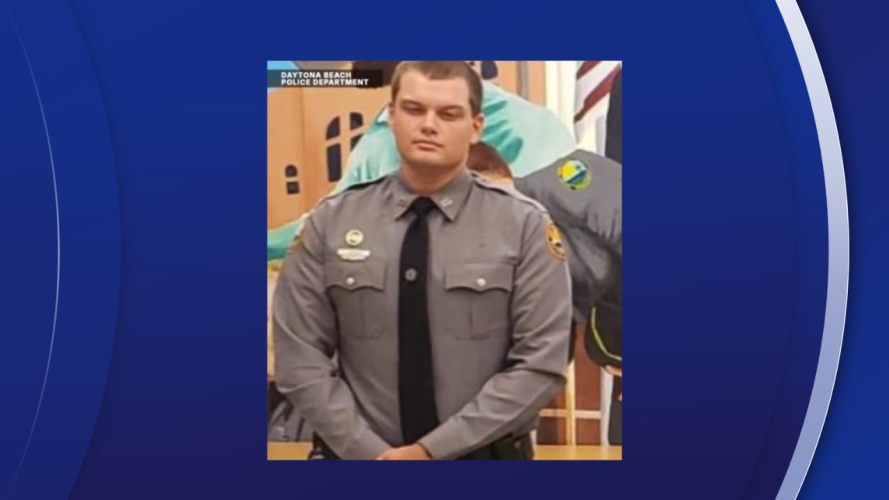
Lawmakers on Thursday approved SB 156, known as the Officer Jason Raynor Act, by a wide margin. The bill is named for Daytona Beach police officer Jason Raynor, who was shot and killed in 2021 while attempting to arrest a suspect. The man responsible was convicted of manslaughter rather than murder, a verdict that frustrated Raynor's family and supporters when it did not carry a mandatory life sentence.
The legislation would require life in prison for anyone convicted of manslaughter in the death of a law enforcement officer. It also makes significant changes to how Florida law treats resisting arrest and police use of force.
One of the most contentious provisions removes current language stating officers are not justified in using force if they know their actions are unlawful. In its place, the bill establishes a "good faith" standard, allowing officers to justify force as long as they are acting with a reasonable belief they are carrying out their duties.
Senate sponsor Tom Leek (R–St. Augustine) said the bill is necessary to better protect officers who face dangerous and uncertain situations in the field.
"We have asked law enforcement, in essence, to dig the Grand Canyon, and we’ve given them a spoon to do it," Leek said during floor debate. "I think they deserve special treatment under the law."
A handful of Democrats and criminal justice advocates sharply disagreed, arguing the bill goes too far — particularly in light of recent national incidents involving alleged excessive force.
"This bill asks people to endure force first and perhaps seek justice later, even when that force is excessive or plainly unlawful," said Sen. LaVon Bracy Davis (D–Orlando).
Other critics warned the changes could have serious, unintended consequences, shifting the balance too heavily toward law enforcement at the expense of civilian protections.
"In other areas of the law, unintended consequences might mean paying more taxes or effects to a business," said Aaron Wayt of the Florida Association of Criminal Defense Lawyers. "But unintended consequences in the criminal justice system can mean people paying with their lives."
Supporters countered that the bill simply ensures disputes over the legality of an arrest are settled in court, rather than on the street, and say it offers clarity for officers forced to make split-second decisions.
The measure now heads to the Florida House. That’s after similar versions have stalled in past years over concerns about bill language. Leek said he is hopeful this year’s narrower language finally allows the bill to reach the governor's desk.
"What I really want to do is thank the Raynor family for their patience," Leek said. "This has been a three-year slog to get this done, and I hope with this bill they feel their son has been appropriately honored."
The House version of the bill is ready for a floor vote. That’s after negotiations earlier this session have increased expectations the legislation will advance as Florida lawmakers are nearing the midpoint of the 60-day legislative session.
Want to see more local news? Visit the WTXL ABC 27 Website.
Stay in touch with us anywhere, anytime.
