



TALLAHASSEE, Fla. — Florida voters technically have the power to place constitutional amendments directly on the ballot, but a new 2025 law is fueling debate over whether that right has become too difficult to use.
State officials announced over the weekend that all 22 active citizen-led ballot initiatives failed to qualify for the 2026 general election ballot, meaning proposals ranging from open primaries to changes in legislative sessions will not go before voters.
WATCH: Critics say Florida went too far after 22 ballot initiatives fall short
The development comes after lawmakers approved HB 1205 last year, a sweeping overhaul of Florida’s initiative petition process that tightened rules for signature gathering, imposed stricter deadlines, increased fines and penalties, and expanded paperwork requirements for petition sponsors and circulators.
Supporters of the law argue the changes are necessary to protect election integrity and curb fraud in what they describe as an unregulated petition industry. Governor Ron DeSantis has repeatedly defended the legislation.
“It’s a cottage industry where people are getting paid to generate petitions and so they can sign names and then get more money, and it's gotta stop,” DeSantis said last year.
Attorney General James Uthmeier echoed that argument this week, saying initiatives simply failed to meet legal requirements.
“In Florida, we've come a long way from the hanging chad era of 2000 we have an election integrity unit. We protect our ballot. We protect the constitution,” Uthmeier said.
But critics say the outcome confirms their warnings that the Legislature went too far, effectively blocking citizen-led efforts by changing the rules midstream.
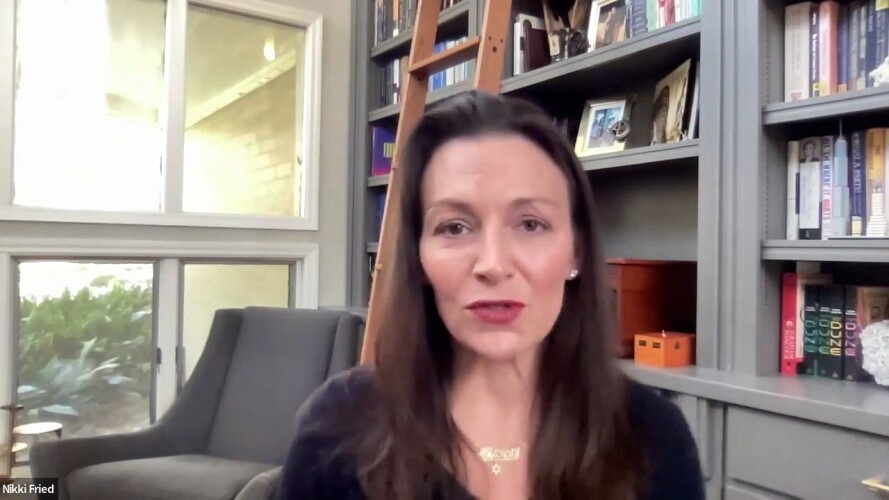
Florida Democratic Party Chair Nikki Fried called the law undemocratic.
“This is not democracy that they changed the rules of the game mid-cycle last year, making it near impossible to get signatures,” Fried said.
Several advocacy groups are now weighing legal action. Smart and Safe Florida, which has pushed for a recreational marijuana amendment, has signaled it may challenge the state’s determination in court. Meanwhile, groups seeking to expand Medicaid are relaunching their efforts for the 2028 ballot while already challenging portions of the new law.
Mitch Emerson, who leads Florida Decides Healthcare, said the legal fight is critical to restoring public participation.
“We are trying to deal with the current legislation until hopefully we get some wins in the trial in on February 9, every single one of those wins will open up new paths to getting back to citizens engaging on our First Amendment right,” Emerson said.
As for whether lawmakers are open to rolling back the changes, Senate President Ben Albritton suggested the answer won’t come from Tallahassee.
“I don't think it's something that I can answer. I think it's something our constituency has to answer,” Albritton said.
There are currently no serious efforts underway to repeal or soften the law during this legislative session, though lawmakers note the session is only halfway through.
Share Your Story with Forrest
Capitol Reporter Forrest Saunders is dedicated to sharing your voice with political leaders throughout the state. He works to hold our elected leaders accountable and amplify your concerns. Let Forrest know about the issues you want state leaders to focus on.
.

Saudi flight from Tampa, secret FBI probe reveal possible Saudi support network for 9/11 hijackers
Twenty years after the Sept. 11 attacks, more than 80,000 records compiled by the Tampa FBI Field Office remain classified. Newly declassified documents are pointing to a possible secret Saudi support network for the hijackers. Soon after the attacks, the FBI uncovered that 15 of the 19 hijackers were from Saudi Arabia.
